



Textile Graphic Design Manager · Noida, India · 17+ Years

SARSA
Raja

Where craft meets the machine.

Surface pattern, colour, and AI-accelerated print design — seventeen years turning research into repeat, colour into approvals, and collections into contracts.

SCROLL
01 — Impact

Seventeen years, measured in outcomes.

The numbers a design floor actually reports on.

17+
Years of experience
500+
Collections designed
$2.5M+
Annual contracts secured
92%
First-approval rate (up from 60%)
40%
Faster design velocity via AI
30%
Shorter design-cycle time
200+
Colourways developed
100+
Collections per year
02 — Worked With

Trusted across India's textile houses.

Collections, strike-offs and production artwork signed off for domestic mills and international apparel brands alike.

FFAB
FFAB Textrend India (FTIPL)
MG
Dune Textile
Impresio
03 — About
Sarsa Raja, Textile Graphic Design Manager

From the print room to the collection sign-off.

A designer who came up through the machine — and now leads it.

I started in 2008 as a digital printer operator at Vipul International, learned colour and CAD on the floor, and grew into the manager who now signs off the collection at FFAB Textrend India. I pair couture-level taste with production reality — and treat AI as a studio instrument, not a shortcut.

Today I lead an 8+ person design team delivering 100+ collections a year.

OCT 2025 — PRESENT
Manager, Textile Graphic Design
FFAB Textrend India (FTIPL)
OCT 2018 — OCT 2025
Senior Fashion & Textile CAD Designer
FFAB Creation Pvt Ltd
DEC 2014 — MAR 2018
Senior Fashion & Textile CAD Designer
Impresio & Alpine Overseas
JAN 2013 — NOV 2014
Senior Fashion & Textile CAD Designer
Dune Textiles
OCT 2011 — DEC 2012
Fashion & Textile CAD Designer
Euro Expo
APR 2011 — OCT 2011
Graphic Designer & DTP Operator
MG Advertising Agency
NOV 2008 — APR 2011
Digital Printer Operator
Vipul International — where it began
04 — Colour Matching

Colour, approved the first time.

My real lab-dip and strike-off discipline — watch the match happen.

Colour is where collections are won or lost. This is my actual colour-matching demo: reading the target, correcting to a controlled ΔE, and locking the strike-off so what leaves the RIP matches the approved standard on cloth. That discipline is how first-approval rates moved from 60% to 92%.

▶ Colour-matching demo · lab-dip → strike-off → approved standard

05 — Digital Printing Process

From artwork to approved yardage.

The production pipeline I own, end to end.

STEP 01

Design & Seamless Repeat

Build the motif and engineer a true seamless repeat that tiles cleanly at production width.

STEP 02

Colour Separation

Reduce to a controlled channel/spot set, clean edges and traps — artwork the RIP can honour.

STEP 03

Colourway Development

Derive coordinated colourways and lock Pantone / lab-dip references.

STEP 04

Strike-off & Proofing

Run the strike-off, read it against the standard, correct to target ΔE, get first-approval sign-off.

STEP 05

RIP & Print Calibration

Profile the printer, calibrate ink limits and curves so screen matches substrate.

STEP 06

Production & QC

First-metre check, in-run registration and colour QC, consistency across the full run and repeats.

Colour Library & Tools — tap any card to open
🎨Pantone Book — TPX / TPG
The industry's shared colour language. Every colourway I develop is anchored to a Pantone TPX/TPG reference so the client, the lab and the print floor all mean the same colour. No "thoda aur dark" guesswork — one code, one standard, worldwide.
📇Neelam Shade Card
The Indian mill-floor standard. For domestic production I map every colourway to the Neelam shade card alongside Pantone — so the dye-house working in local references and the international buyer working in TPX both sign off on the exact same shade. Dual-referencing kills 90% of shade disputes before they start.
🧵Lab Dips & Strike-offs
Colour on screen means nothing until it's colour on cloth. I read every lab dip against the standard under D65 light, correct to a controlled ΔE tolerance, and lock the strike-off before production. This discipline is what moved first-approval rates from 60% to 92%.
🖥RIP Profiles & Calibration
Every printer-ink-fabric combination gets its own colour profile. I calibrate ink limits, linearisation and curves at the RIP so the approved file prints the approved colour — on cotton, on viscose, on polyester — first metre to last.
06 — Studio Walkthrough

Watch a design become fabric.

One folk print, six steps — from the first motif to the finished garment.

Tap any step to see it. This is the same design followed all the way through: drawn on screen, separated into layers, matched to Pantone under D65 light, printed on calibrated profiles, QC'd against the original sample, and finally worn.

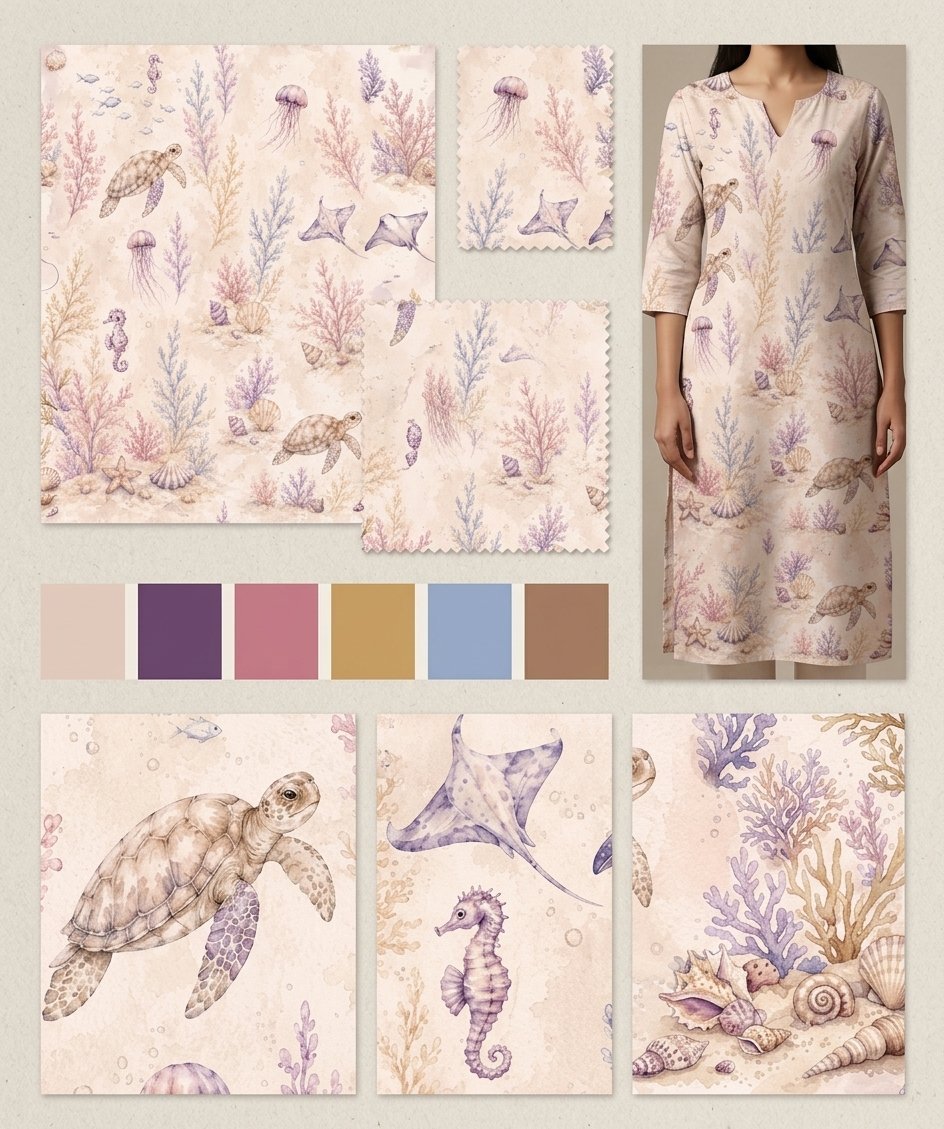
07 — Design Research & Mood Boards

Research is where the repeat begins.

How a season becomes a signed-off collection.

Trend Forecasting & Market Research

Read runway, retail and regional signals — and the client's own sell-through — to define the season's direction.

Colour Research

Build the palette from forecast plus lab realities, anchored to Pantone and dyeable ranges.

Mood Board Development

Assemble references, textures and swatches into a tight visual thesis the client can approve fast.

Concept & Motif

Translate the board into original motifs and surface-pattern directions.

Colourway & Seamless Repeat

Extend into coordinated colourways and production-ready repeats. AI accelerates exploration — judgment stays human.

08 — In Motion

See it in motion.

Reels from the studio floor — process, prints and colour, live.

A few short-form pieces from recent work — process clips, colour stories and finished collections, straight from the floor.

VIDEO
VIDEO
VIDEO
09 — Capabilities

Craft on one thread, AI on the other.

AI-forward: 40% faster velocity, first-approval up 60% → 92%.

Design Craft

Surface Pattern DesignSeamless RepeatColourway Development CAD DesignDigital PrintingColour Separation Print ProductionTrend ForecastingMood Boards Design LeadershipTeam ManagementProcess OptimizationQuality Control

Software Studio

PhotoshopAdobe · imaging
IllustratorAdobe · vector
InDesignAdobe · layout
After EffectsAdobe · motion
Premiere ProAdobe · video
CorelDRAWvector & print
Textile CADrepeats & colourways
WordPress+ WooCommerce · Elementor
HTML / CSSweb publishing

AI Atelier

Claude AIconcepts & strategy
ChatGPTtrend analysis
Google Geminiresearch & ideation
Adobe Fireflyasset generation
Midjourneyvisual generation
Leonardo AIdesign exploration
Google Sheetsdata management
Apps Scriptworkflow automation

📊Data Management & Automation

Design floors run on data as much as colour. I build Google Sheets + Apps Script systems that generate bulk design codes, track 10,000+ assets with intelligent tagging, auto-produce reports and kill manual data entry — 15+ hours saved every week, zero missed codes.

BULK DESIGN CODES ASSET TRACKING · 10,000+ FILES AUTO REPORTS 15+ HRS/WEEK SAVED APPS SCRIPT WORKFLOWS
10 — Selected Work

A collection, not a carousel.

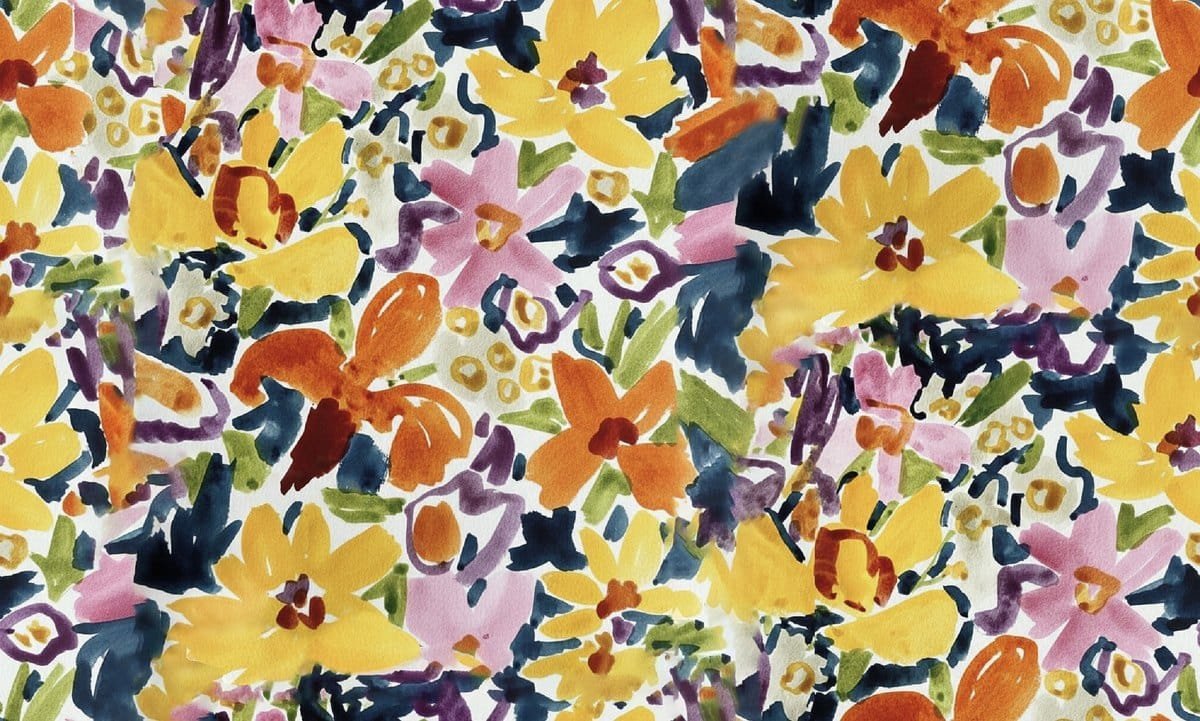
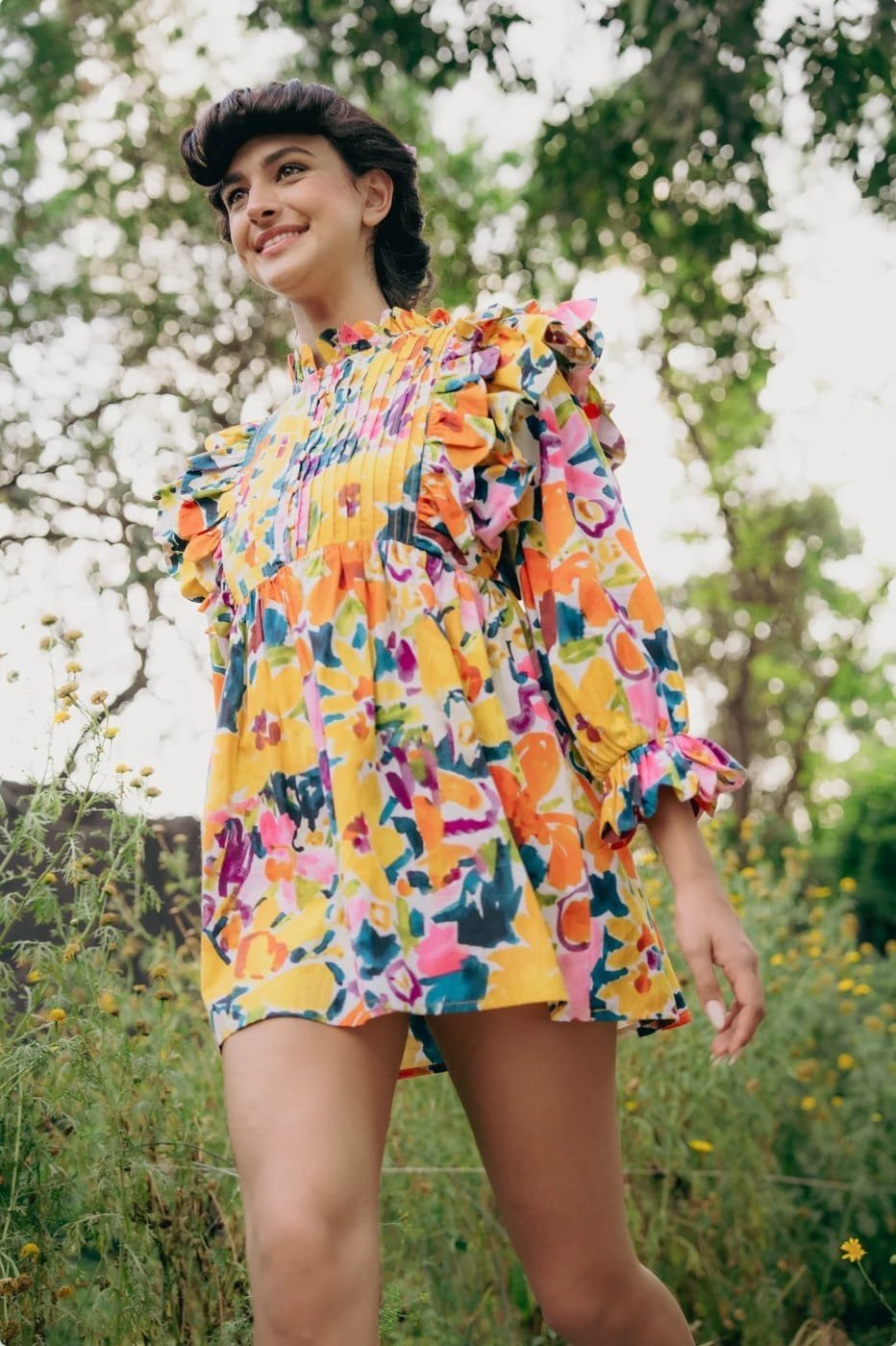
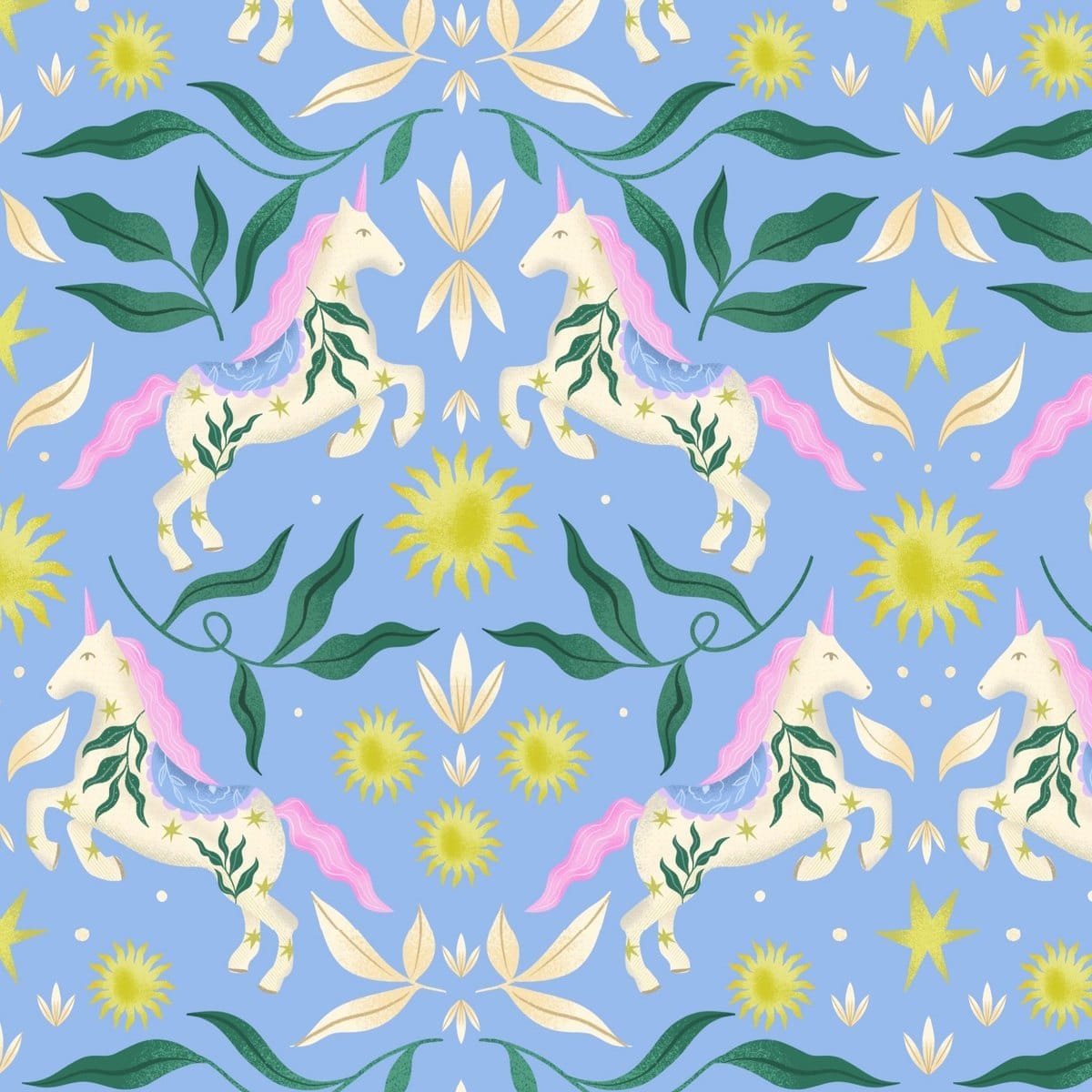
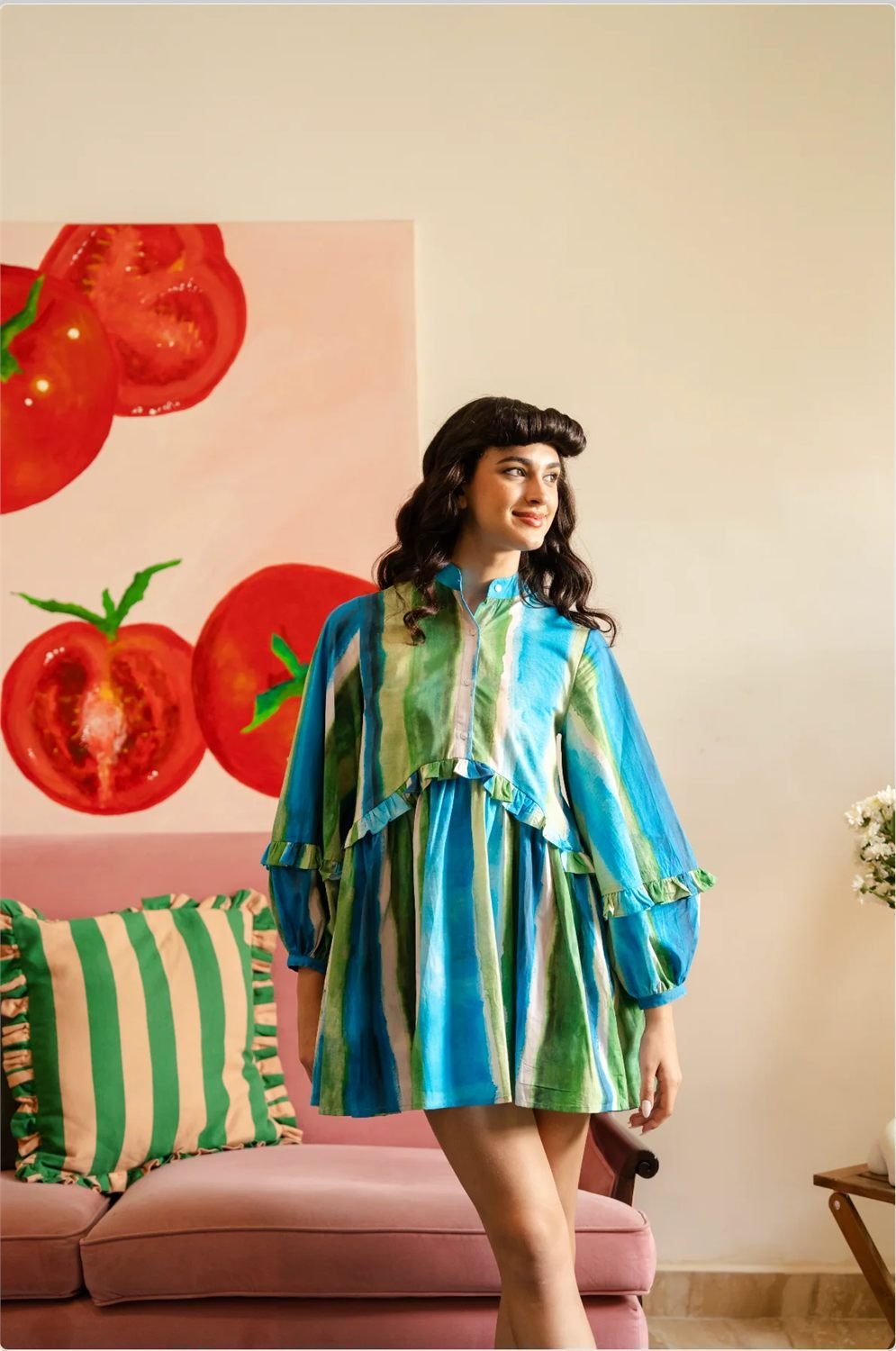
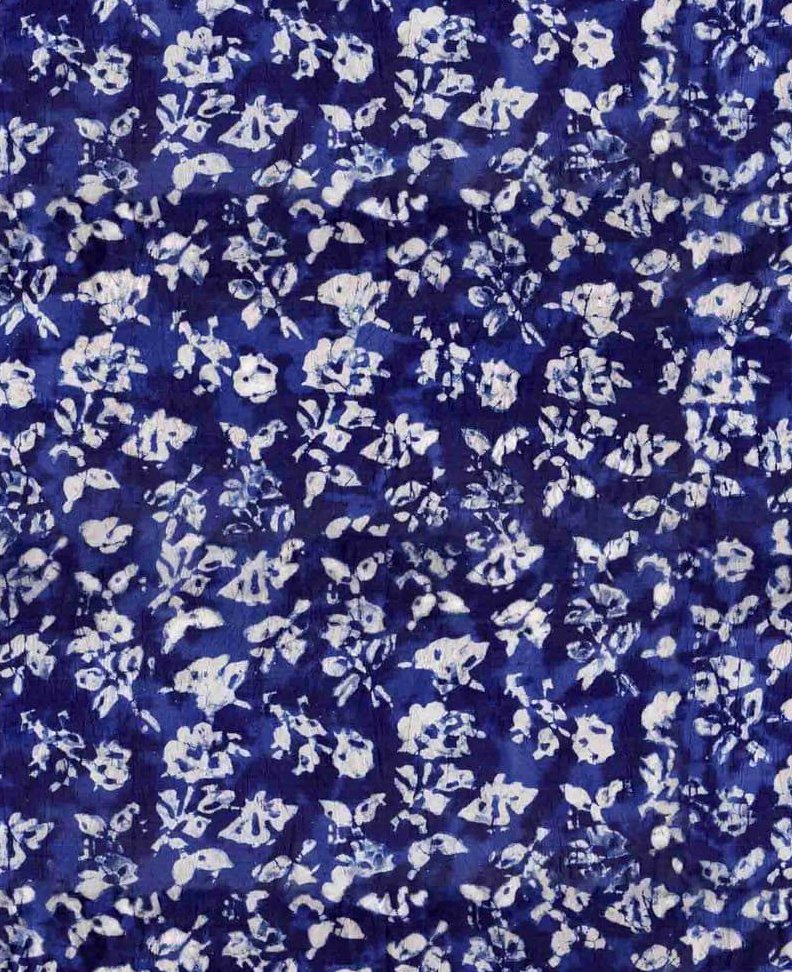
Prints, colourways, CAD and on-model — the work that ships. Each piece went through the same pipeline: research, repeat, separation, strike-off, production.

View Full Portfolio →
11 — Résumé

Take the collection with you.

The full CV, in whichever format your ATS prefers.

Seventeen years of textile design leadership on one page — experience, metrics, tools and references.